District of Pupusas

A Documentary Film — by Alexandra Colón-Amil and Valeria Massarelli

From El Salvador to Washington: How Pupusas Became a Symbol of D.C.

Pupusas may be Salvadoran, but they have become an emblematic dish of Washington, D.C. They arrived with those fleeing El Salvador's brutal civil war—immigrants who brought with them traditions, resilience, and a sense of home.

District of Pupusas — About the Documentary

From the documentary, District of Pupusas

This is not just a story about food. It is about how communities rebuild, how culture travels, and how identity is preserved and transformed in new spaces.
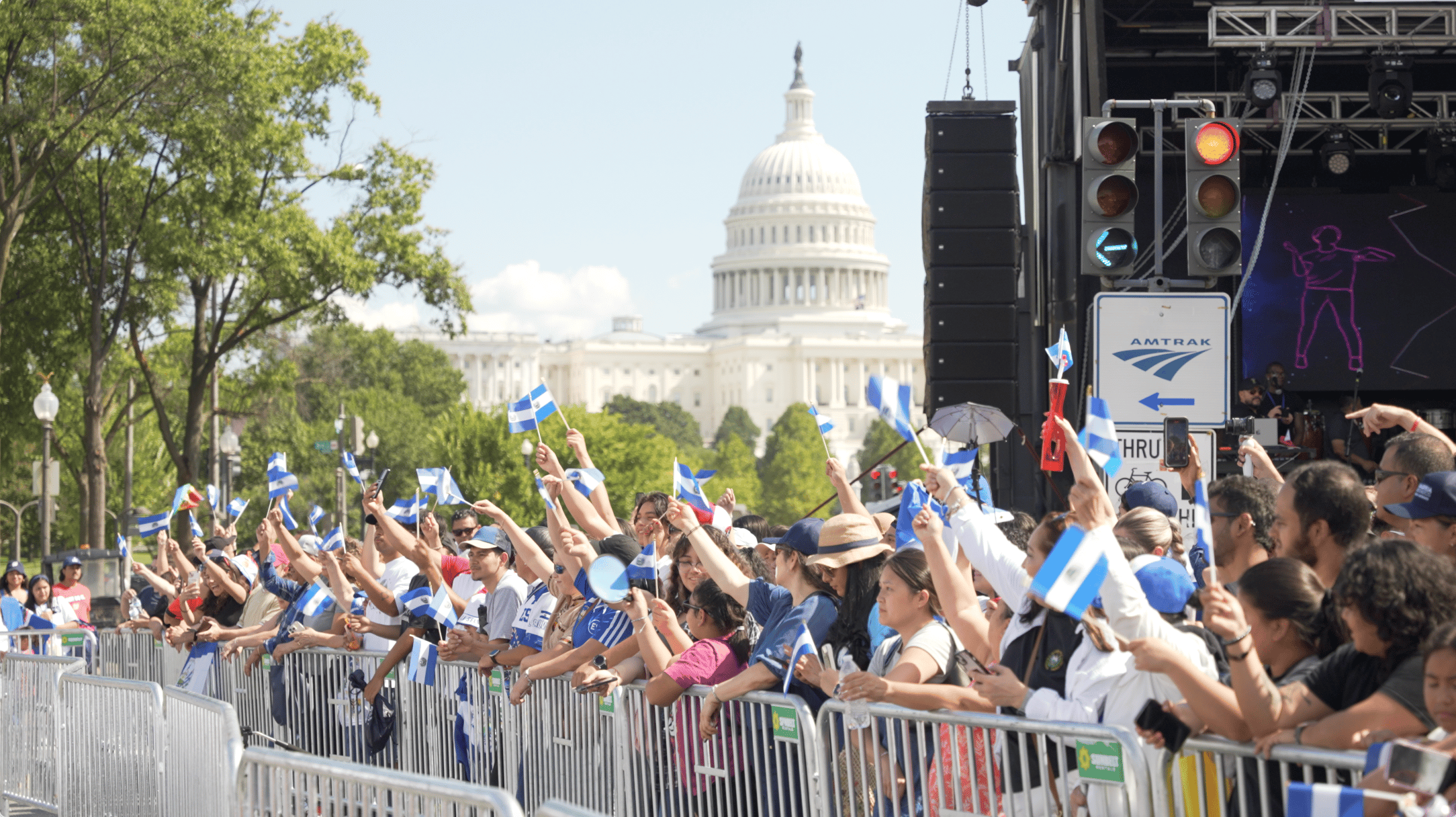
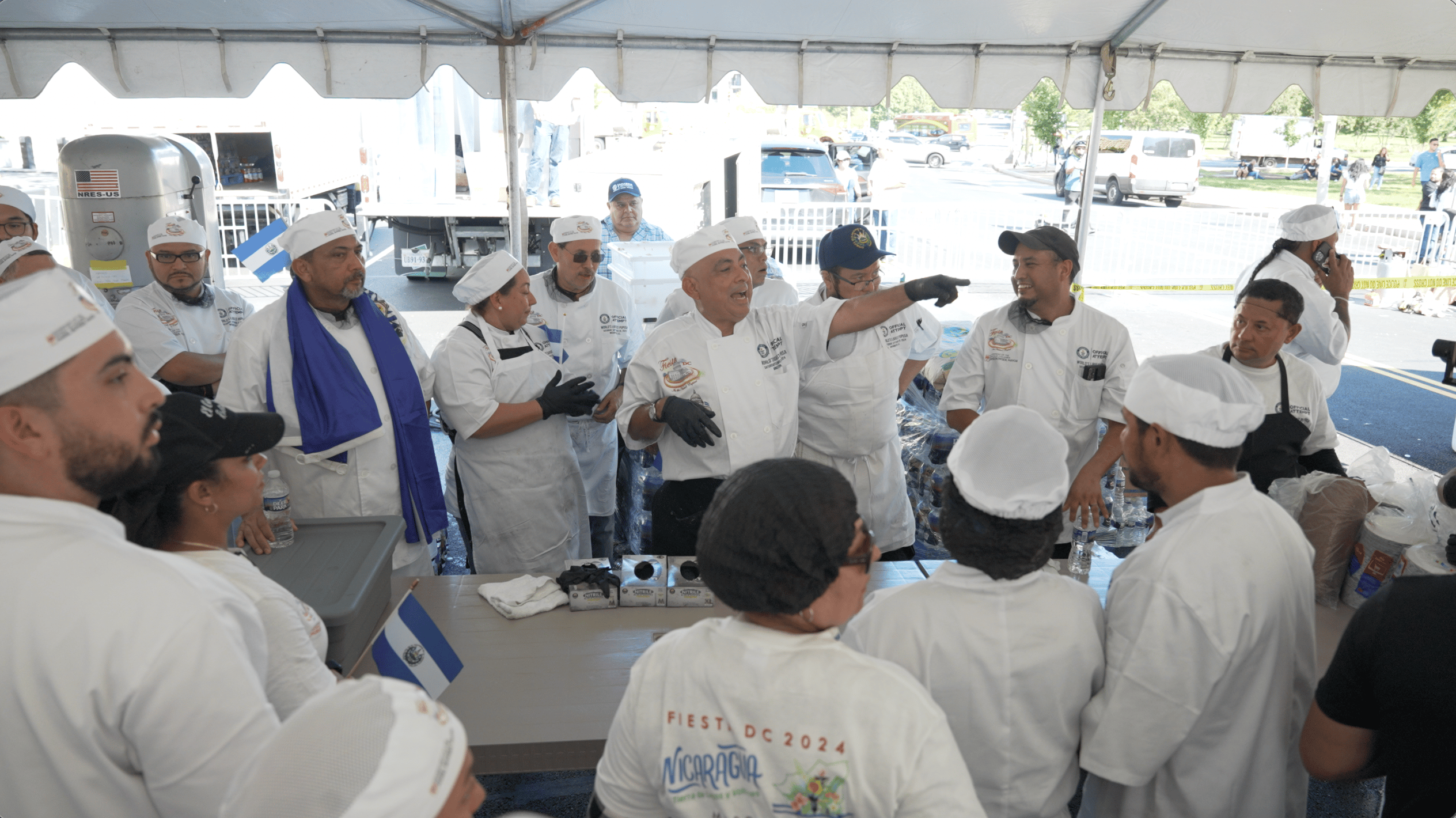
Behind the scenes — Fiesta DC

The Journey

The arrival of pupusas to the nation's capital is inseparable from the waves of Salvadoran immigrants who fled the country's civil war in the 1980s and 1990s. Many arrived with little more than their knowledge, resilience, and culinary traditions.
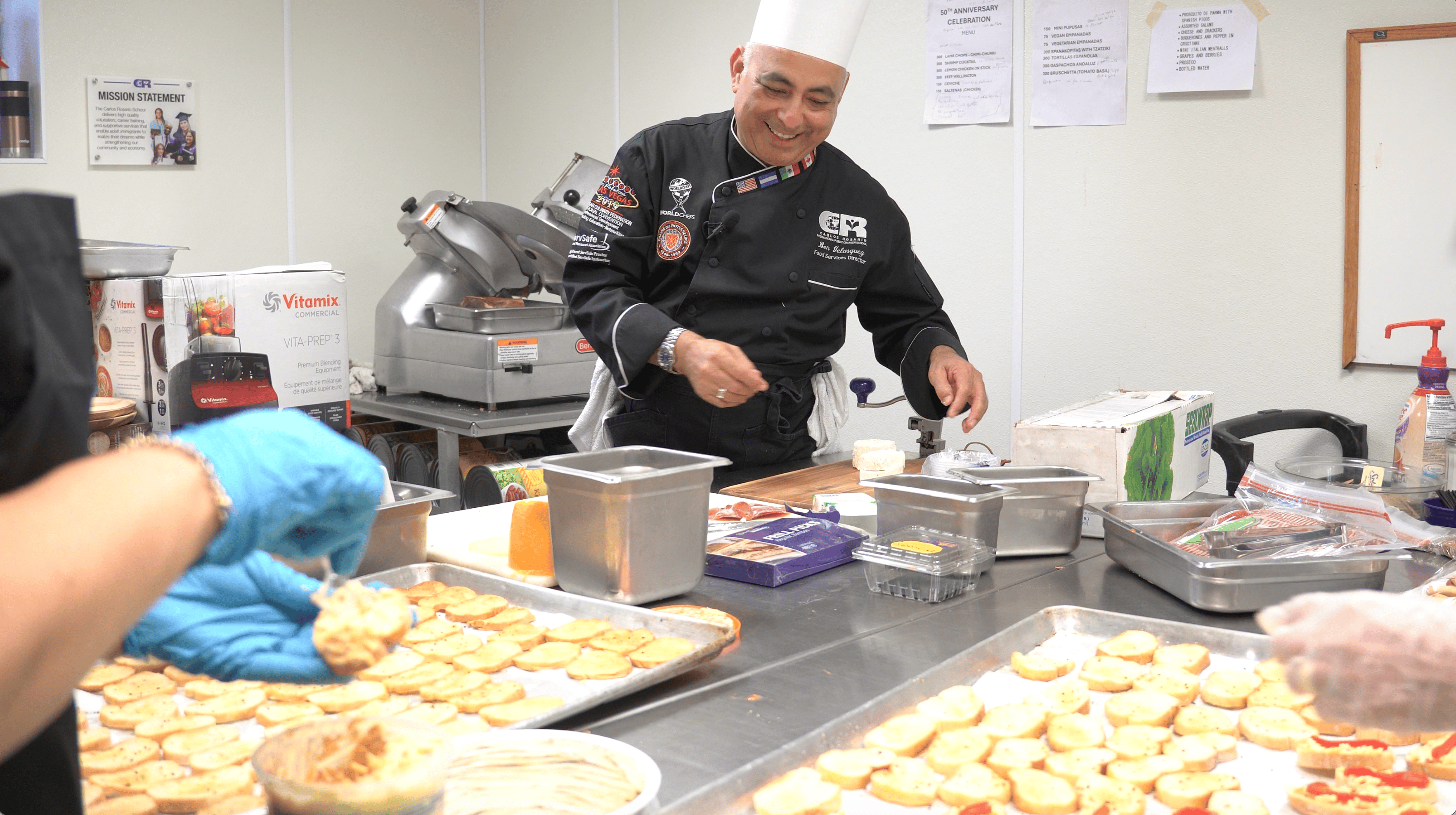
Behind the scenes — Carlos Rosario School

The Arrival

In restaurant kitchens across the city, they began rebuilding their lives, eventually opening their own establishments and reshaping D.C.'s food landscape. Like Benjamin and Haydee, Salvadorans built communities rooted in support, connection, and shared purpose.
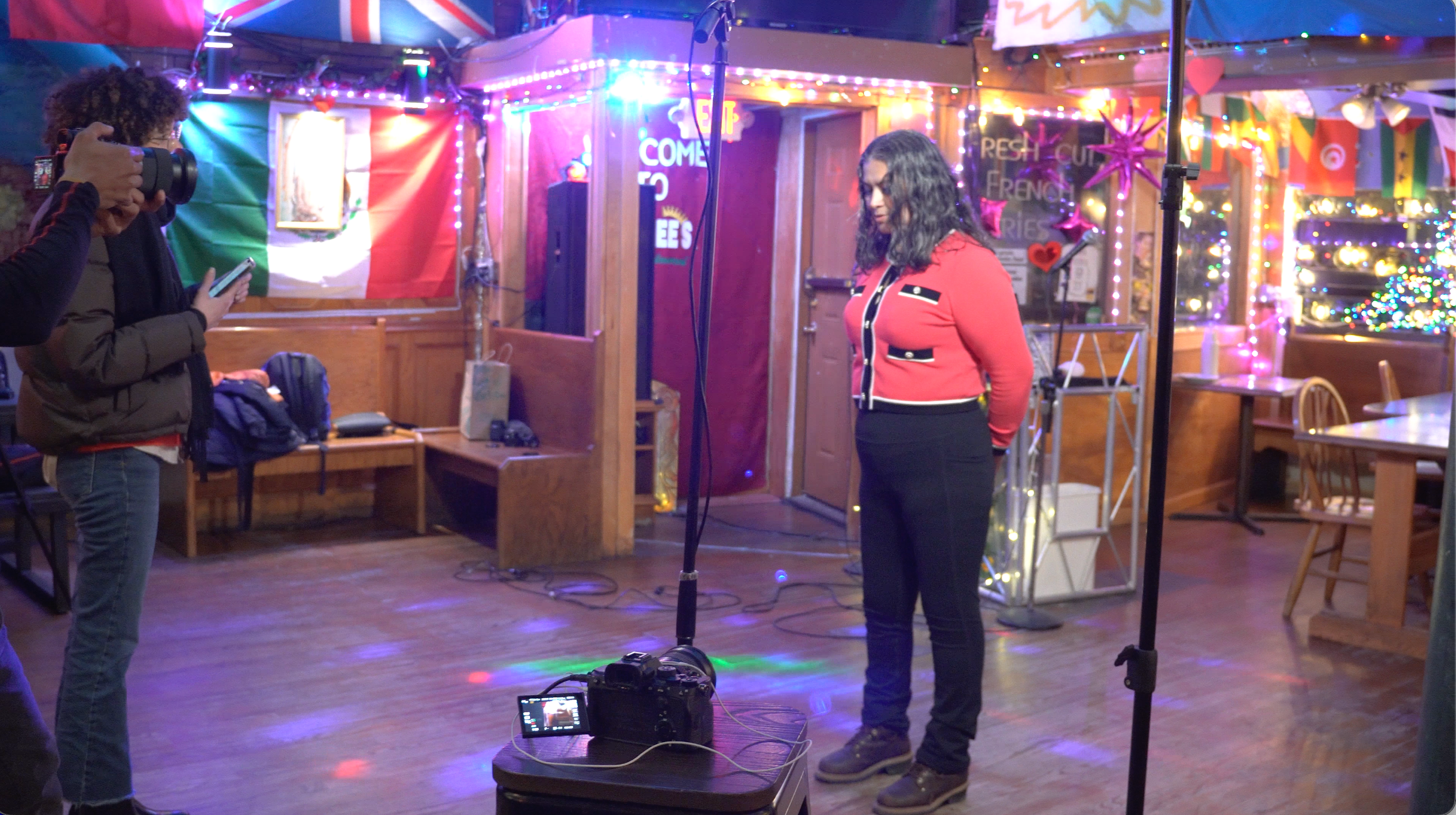
Behind the scenes — Haydee's Restaurant

The Community

Today, pupusas are widely recognized across the city. They bring people together, sustain small businesses, and preserve identity across generations. Something as simple as corn dough and filling can carry memory, identity, and continuity across borders.
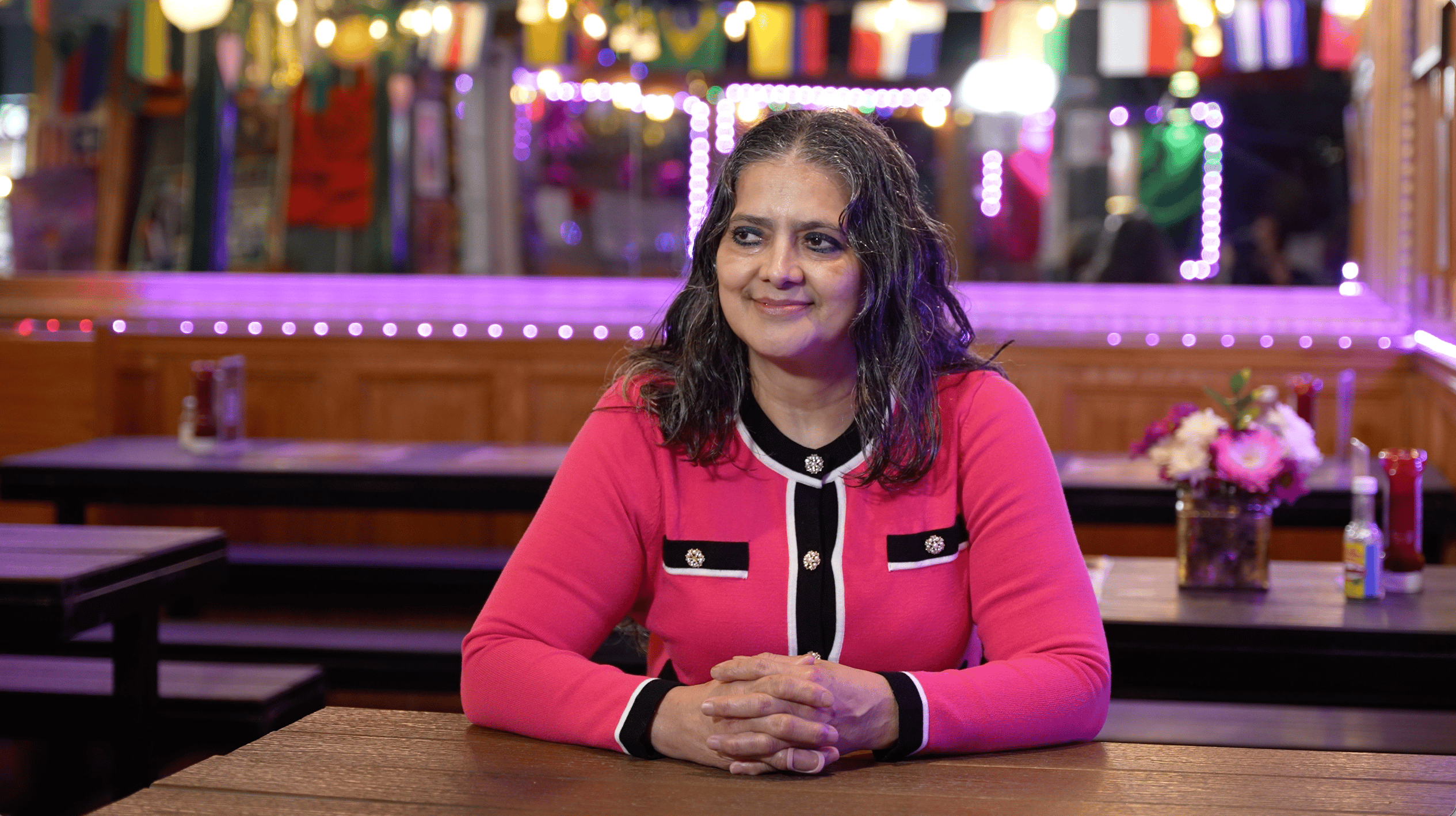
Why Pupusas? Why D.C.?

In Washington, D.C., pupusas are more than a traditional Salvadoran dish: they are a story of migration, survival, and belonging. They have evolved from a symbol of home carried by those fleeing conflict into a defining element of the city's cultural identity.

District of Pupusas situates the dish within a broader historical and cultural context. The film explores how pupusas became a symbol of migration and belonging—how something as simple as corn dough and filling can carry memory, identity, and continuity across borders.
Told through the lived experiences of Salvadoran immigrants, chefs, and restaurateurs, the documentary weaves past and present to explore how pupusas, once a symbol of home for those fleeing El Salvador's civil war, have become something greater: a vessel of identity, memory, and belonging, and a defining element of Washington, D.C.'s cultural and community fabric.

Haydee Vanegas

Restaurateur • Community Anchor • Cultural Bridge

Haydee Vanegas

Owner and founder of Haydee's Restaurant in Mt. Pleasant, Haydee is more than a Salvadoran restaurateur—she is a community builder whose space has become a cultural landmark in Washington, D.C. Her restaurant is a gathering place where people come to dance, sing, and express their artistry. In her own words, she has always wanted to help people, and she found her way through food.

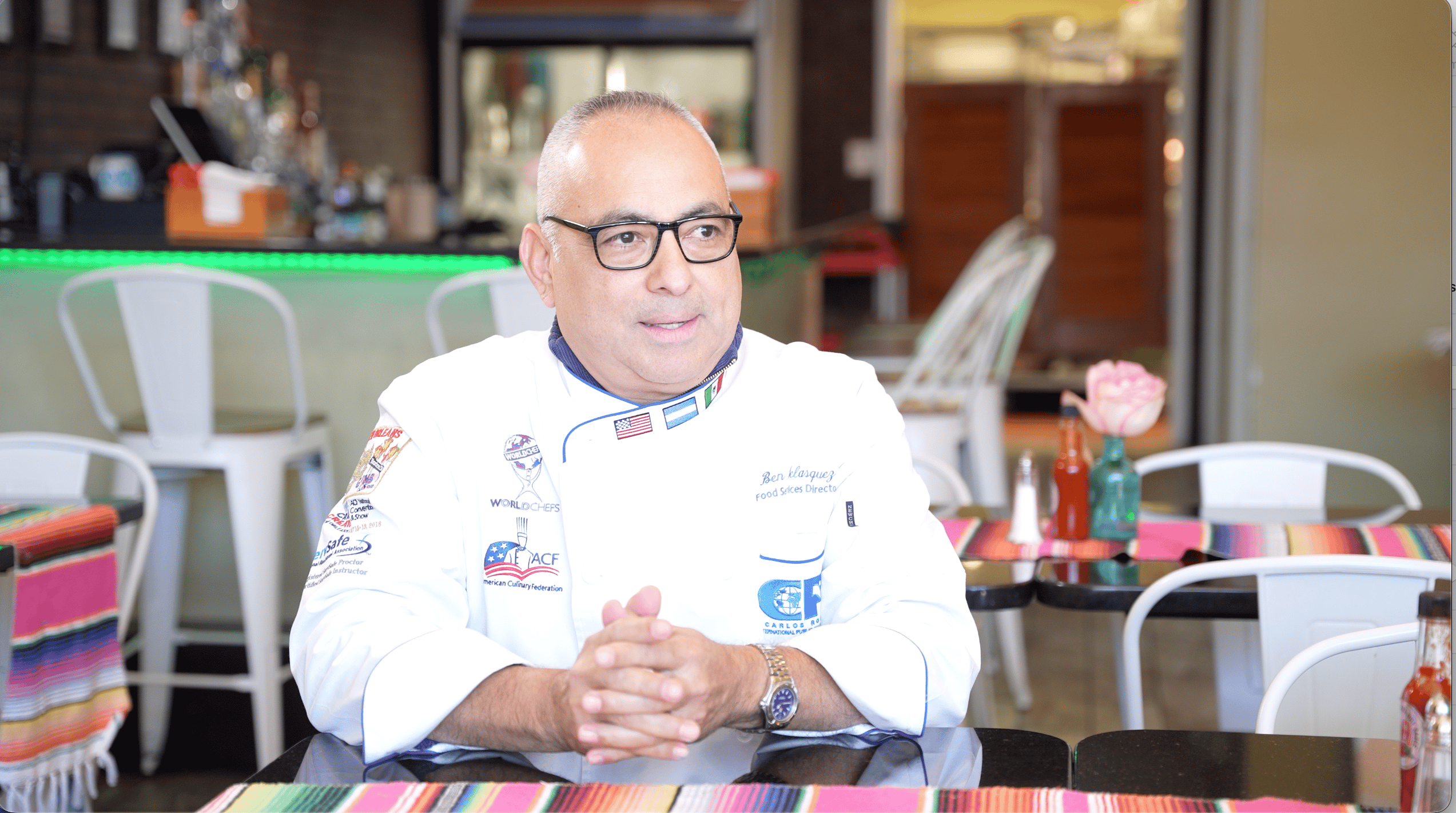
Chef Benjamín Velásquez

Chef • Mentor • Storyteller Through Food

Benjamín Velásquez

A pioneering figure in bringing Salvadoran cuisine into the mainstream, Chef Benjamín has dedicated his life not only to cooking but to teaching others. Whether at the Carlos Rosario International Public Charter School or at his restaurant Mama Chepa Cocina Latina, he has trained generations of immigrants, sharing both culinary skills and pathways to opportunity. His story is one of transmission: of knowledge, culture, and resilience.

Alexandra Colón-Amil

Alexandra Colón-Amil

Co-Director

Valeria Massarelli

Valeria Massarelli

Co-Director

Geo Rosendi

Geo Rosendi

Director of Photography

Gabriela Montes de Oca

Gabriela Montes de Oca

Producer

Walter Romero

Walter Romero

Video Editor

Gabriela Rodríguez Soledad

Gabriela Rodríguez Soledad

Graphic Designer